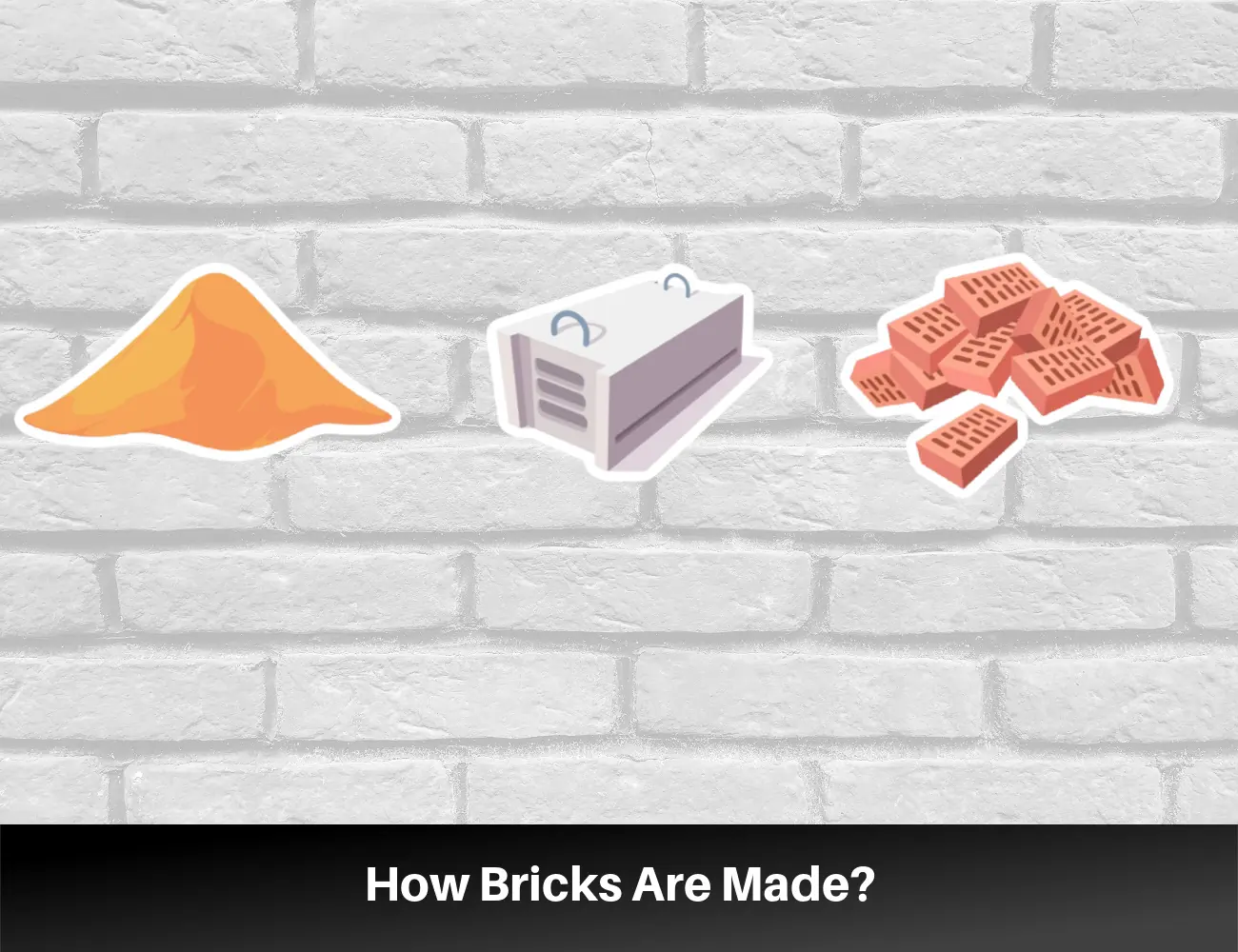
<p>Bricks look like the most basic building product available, yet the recipe behind them involves specific clays, additives and controlled heat. Understanding the inputs explains why two bricks of the same size behave so differently.</p> <p>The most common ingredients in bricks are clay, sand, water, and additional additives. Yet, not all bricks are equal in substance. Understanding the differences in a brick’s composition will make you more able to assess the quality of a brick type, compare and contrast different bricks, and consider the aesthetics of specific brick styles.</p> <p>The contents of bricks differ by region due to the availability of materials, production capacity, innovation level, and architectural needs.</p> <p>Clay is the most prominent material in most common bricks because it is found throughout the world. Clay is a fine-grained soil with strong cohesion which means that it holds its shape when it is molded and compressed. Clay is composed of many different minerals and other materials that determine its distinct properties. Together these ingredients determine the clay’s plasticity, shrinkage, strength, and color. Common minerals in clay are kaolinite, illite, and montmorillonite. Other ingredients of clay include silica, alumina, iron oxide and lime.</p>
Contents in Brick Production
Clay
Popular Clay Varieties for Brick Production
Shale
Shale is a fine-grained, laminated, sedimentary rock. Shale, like clay, is a readily abundant natural material. Manufacturers grind up pieces of shale and mix them with clay to form bricks. Shale rock adds iron to the brick mixture to strengthen it, decrease moisture absorption, and increase its abrasion resistance. Shale bricks are best where they will not be subject to thermal shocks.
Fly Ash
Fly ash is a coal combustion product that is used in the manufacturing of bricks. Many people consider fly ash bricks more environmentally friendly than clay bricks. This is because fly ash bricks utilize an industrial waste product and they are self-cementing so the production is more energy-efficient. Fly ash bricks are lighter and stronger than many clay bricks.
Concrete
Concrete bricks, also known as concrete blocks or concrete masonry units (CMU), are made from concrete, an aggregate like sand or mixed stone, and water. Concrete bricks are prized for their stability and durability. Builders utilize concrete bricks in foundations and other load-bearing walls. Most people do not consider concrete bricks an aesthetic choice.
Sand-Lime
Sand-lime bricks, also called calcium silicate bricks, consist of a mixture of sand, lime, and water. Fabricators make sand-lime bricks by using pressure to mold them and then curing them through a chemical reaction called carbonation. Sand-lime bricks have a uniform color and texture. While they have excellent properties of strength and require less mortar, sand-lime bricks do not hold up to water over long periods.
Autoclaved Aerated Concrete
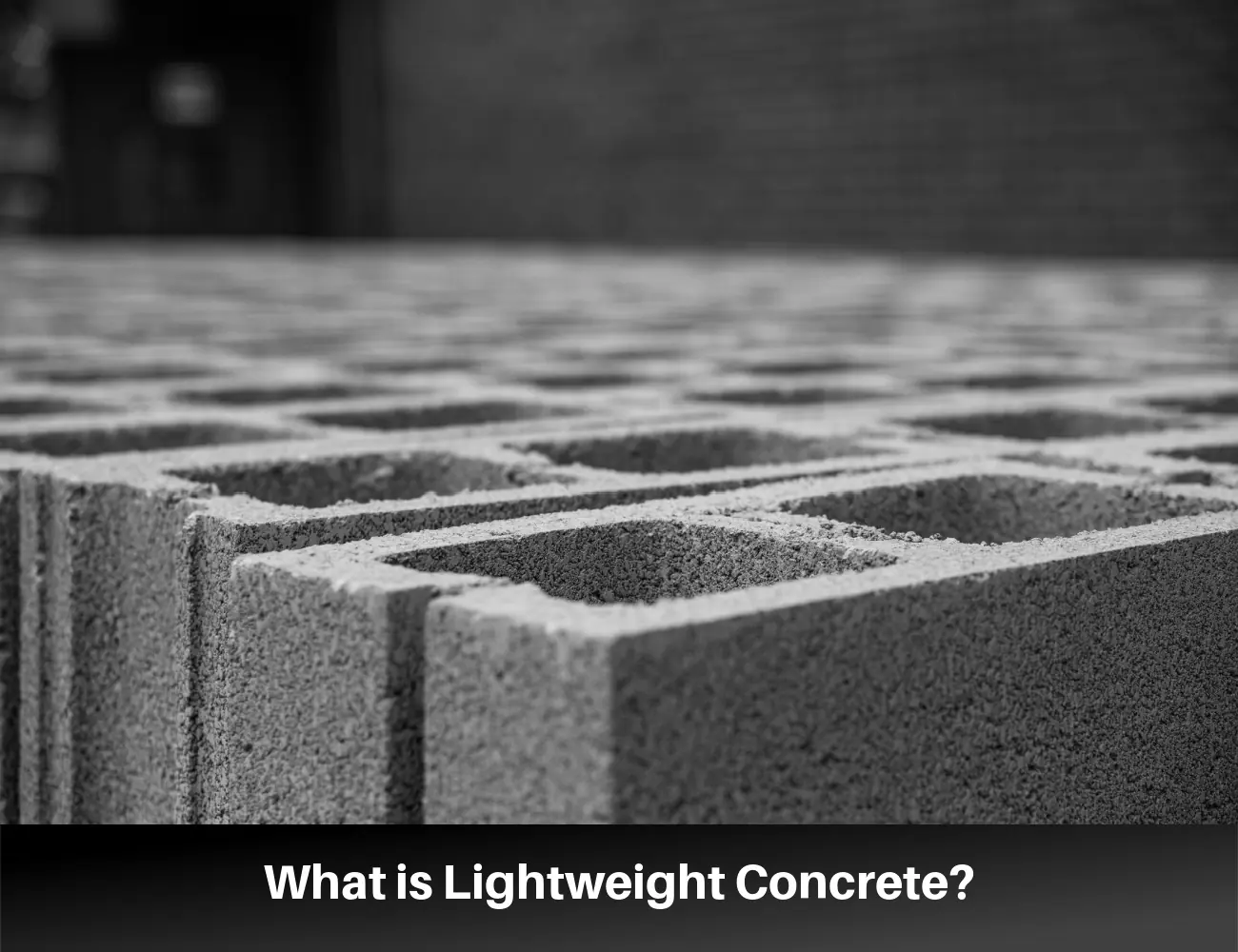
Autoclaved aerated concrete (ACC) is a lightweight, foam concrete building material used to make concrete masonry units (CMU) or bricks. This material is unlike standard concrete because it does not use any aggregate larger than sand. This is an excellent material for structural support. ACC is a material with significant thermal efficiency, so it works well in areas with extreme temperatures.
Compressed Earth
Earth and sand mixed with cement binders are used to form compressed earth blocks or bricks (CEBs). Architects and engineers who favor sustainable and environmentally friendly design value CEBs because of the abundance of soil as a raw material.
Stone
Stone bricks are cut from existing stone rather than molded into a standardized shape. Sandstone is a popular stone for making bricks because fabricators can cut and shape it into blocks. These bricks have a wide range of colors including brown, gray, green, beige, pale yellow, and pink.
Recycled Materials
Innovation in the building industry has allowed for the use of new materials in the construction of bricks. Bricks are now made of recycled products such as crushed concrete, recycled glass, and even plastic waste. These bricks help reduce waste and conserve other primary materials.
Additives
Along with the primary materials like clay, shale, or concrete, fabricators mix in additives that enhance brick performance and change its appearance.