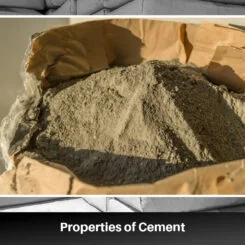
<p>Cement is not one product but a family of formulations, each tuned for a different condition. Knowing the categories prevents the common mistake of choosing a binder by habit rather than by requirement.</p> <p>Whether it is rapid hardening for time-sensitive projects or colored cement to produce a certain aesthetic style, understanding the different types of cement will allow building professionals and DIYers to choose the best cement for their projects.</p> <p>Understanding the qualities of a particular cement type allows builders to evaluate and choose a specific cement that works for their project. Standards organizations, such as the American Society for Testing and Materials (ASTM), maintain standards that specify requirements, classifications, and testing methods for various cement types. They consider some of the following characteristics in their qualifications.</p> <p>Cement types have a variety of specific qualities that make them more or less suitable for particular projects.</p> <p>Ordinary Portland cement (OPC) is the most popular type of cement. It is an excellent general cement product and useful in a wide range of applications. The ASTM C150 designates five main types of OPC based on theirstrength and resistance propertiesand uses.</p>
Measures for Qualifying Cement Types
Cement Types: Characteristics and Uses
Ordinary Portland Cement (OPC)
Portland Pozzolana Cement
Portland pozzolana cement (PCC) combines ordinary Portland cementclinkerwith pozzolanic materials like fly ash, volcanic ash, or silica fumes. This cement shows good long-term strength development. It shows robustness over time, so it is ideal for long-term structures. The presence of the pozzolanic material helps to reduce the heat generation in the concrete. PCC offers improved workability over OPC with better cohesion and less bleeding.
PCC is suitable for general construction projects as well as more specialized applications like mass concrete structures, marine and coastal construction, infrastructure development, and repair and rehabilitation.
Rapid Hardening Cement
Rapid hardening cement, or high early strength cement, exhibits high strength in the early stages of hydration. This cement allows faster construction progress and early form removal. Manufacturers designed this cement to have a high strength and load-bearing capacity in projects where time constraints are fast and tight.
This cement is useful for repair projects, cold weather casting, projects where pre-casting is required, and fast-track construction.
Sulfate Resisting Cement
Cement manufacturers developed sulfate-resisting cement (SRC) to withstand sulfates that are present in some types of soil and water. This is because it has a lower quantity of C3A (tricalcium aluminate), which is known to react with sulfates and can lead to deterioration and cracking.
SRC works well in marine and coastal construction which are exposed to seawater and sulfate-rich soils. Other common applications are sewage treatment plants, chemical plants, and chemical plants.
Low-Heat Cement
Low-heat cement manifests less heat generation during hydration than OPC. This quality reduces the possibility of thermal cracks developing in large structures where temperature differentials can cause stress. This concrete has a slightly slower strength gain compared to OPC, but over time, the strength capacity is the same.
Low-heat cement is particularly useful in mass concrete works such as dams, large foundations, and nuclear power plants. Low-heat concrete is also excellent in environmental conditions where construction projects are subject to wide temperature differentials.
White Cement
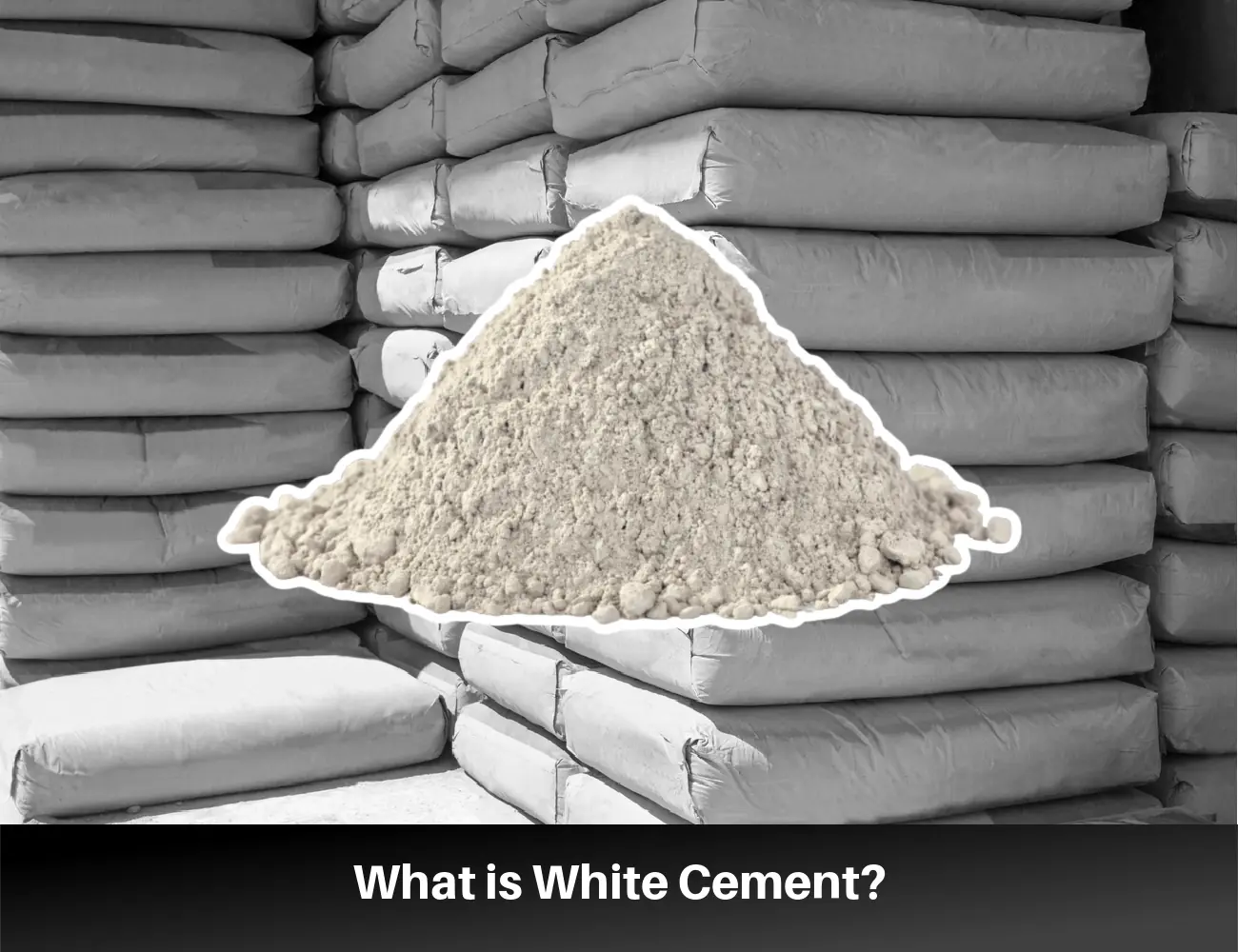
Cement producers create white cement from raw materials with a low iron oxide content like limestone and kaolin. This helps the cement to have a white rather than gray appearance. Because of the specialized ingredients, this is a more expensive cement than OPC. White cement has excellent workability, versatility, and durability.
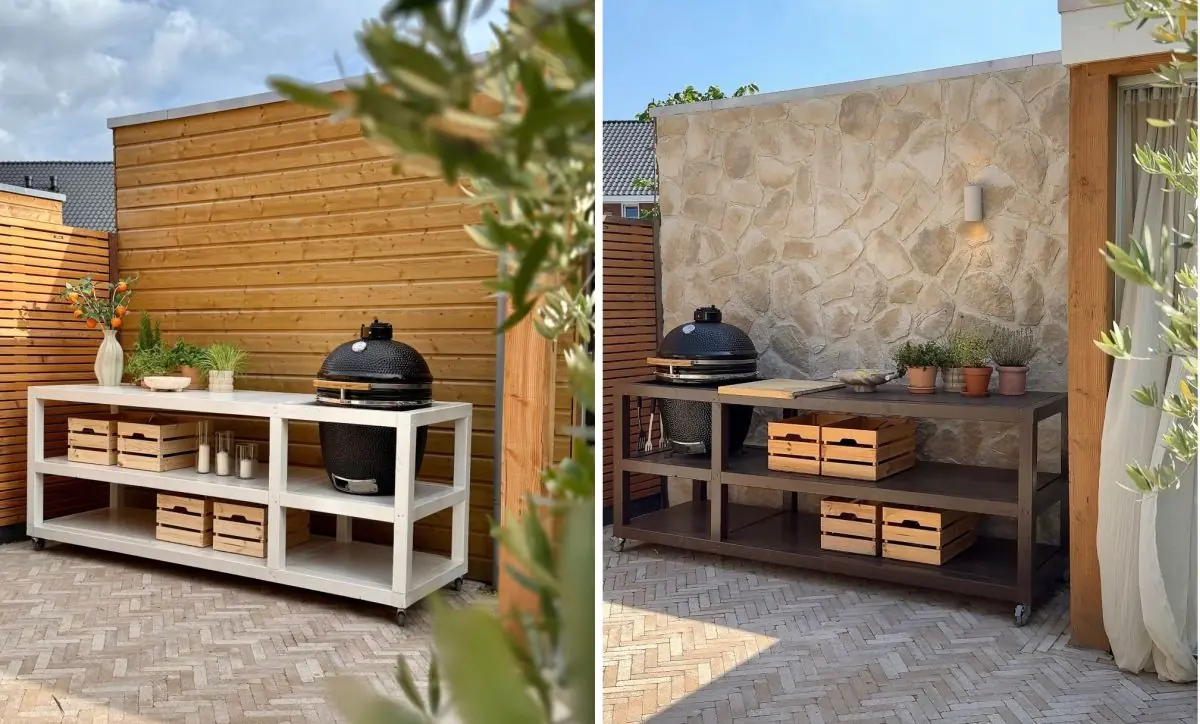
Builders use white cement in many applications where the cement is visible. This includes facades, sculptures, and monuments. They also use it for flooring and walls projects as well as joint fillers and grout.
Colored Cement
Colored cement is a pigmented cement that contains 5%-10% pigment combined with white or gray cement to achieve different colors. Colored cement exhibits good color stability and is resistant to fading and discoloration by UV or moisture exposure. This cement possesses strength that is comparable to OPC.
Colored cement is primarily decorative. Builders use this cement when the cement will be visible and when they desire a particular color for aesthetic reasons. This includes artistic works, floors, walls, and landscape features.
Masonry Cement
Masonry cement is a combination of OPC with other elements like limestone or hydrated lime. It offers excellent workability, durability, and bonding strength. Masonry cement also retains water, so it allows for good curation of masonry walls and prevents shrinkage and drying.
Masons commonly use masonry cement for bricklaying for walls, chimneys, and fireplaces. This cement is also suitable for blockwork,mortarrepair work, and stonework.
Oil Well Cement
Oil well cement is specifically formulated for projects that involve the extreme conditions common in the oil drilling industry. Oil well cement exhibits high compressive strength, high temperature and chemical resistance, and setting time control. The cement also prevents the seepage of liquid or gas even during the setting stage.
This cement is common in all aspects of oil well construction and repair. Engineers use oil well cement for cementing the annular space between the casings and wellbore to create a hydraulic seal and support the casing. They also use this oil to create cement plugs when wells are abandoned or suspended.
Hydrophobic Cement
Hydrophobic cement, also waterproof cement, is a type of cement that resists water absorption. Cement producers combine additives with this cement to make it resistant to water penetration. It is durable in environments with excessive moisture and chemical exposure. It has an increased setting time, which is useful in wet environments.
Builders use hydrophobic cement in structures that are exposed to water like basements, water tanks, swimming pools, and marine structures.
Expansive Cement
Expansive cement is a specialized type of cement that undergoes a controlled expansion rather than contraction during the curing process. This means that there is no change in volume while drying. This cement can minimize cracking, and it promotes better bonding with surrounding materials. Expansive cement reduces permeability, so it is less susceptible to water infiltration.
This cement is especially beneficial for repair projects as well as prestressed and post-tensioned concrete projects. Expansive cement is also particularly suitable for concrete structures with high volume changes because it helps to minimize the impact of the volume changes on the structural integrity of the project.
High Alumina Cement
High alumina cement, or calcium aluminate cement, is a cement with a high proportion of alumina. This creates cement with a high-temperature resistance, rapid strength development, high compression strength, excellent chemical resistance, and low porosity.
Engineers use this cement in refractory applications like stoves, ovens, and kilns. They also use high alumina cement in settings where it is exposed to chemicals in places like wastewater facilities and industrial settings.
Blast Furnace Slag Cement
Blast furnace slag cement is a combination of ground granulated blast furnace slag (GGBFS) with ordinary Portland cement. This cement has increased durability because of the chemical composition of slag. It also has reduced thermal hydration so it is less likely to crack during the curing process and lower permeability. For builders interested in sustainability, slag cement has a lower carbon footprint.
Blast furnace slag cement is useful in general construction applications, but it is also appropriate in specialized environments like marine and coastal applications, mass concrete structures, road work and paving projects, and long-durability projects.
Air-Entraining Cement
Air-entraining cement is a cement that has small air bubbles as part of the composition. Because of the air bubbles that work as a lubricant, air-entraining cement represents an improvement in workability over ordinary Portland cement. This cement is excellent in low temperature environments and has high sulfate resistance.
This cement is useful in road and paving projects. Air-entrained cement is also excellent in marine projects where the air bubbles help to reduce the damage of the structure because of chemical reactions and pressure exerted by the saltwater.