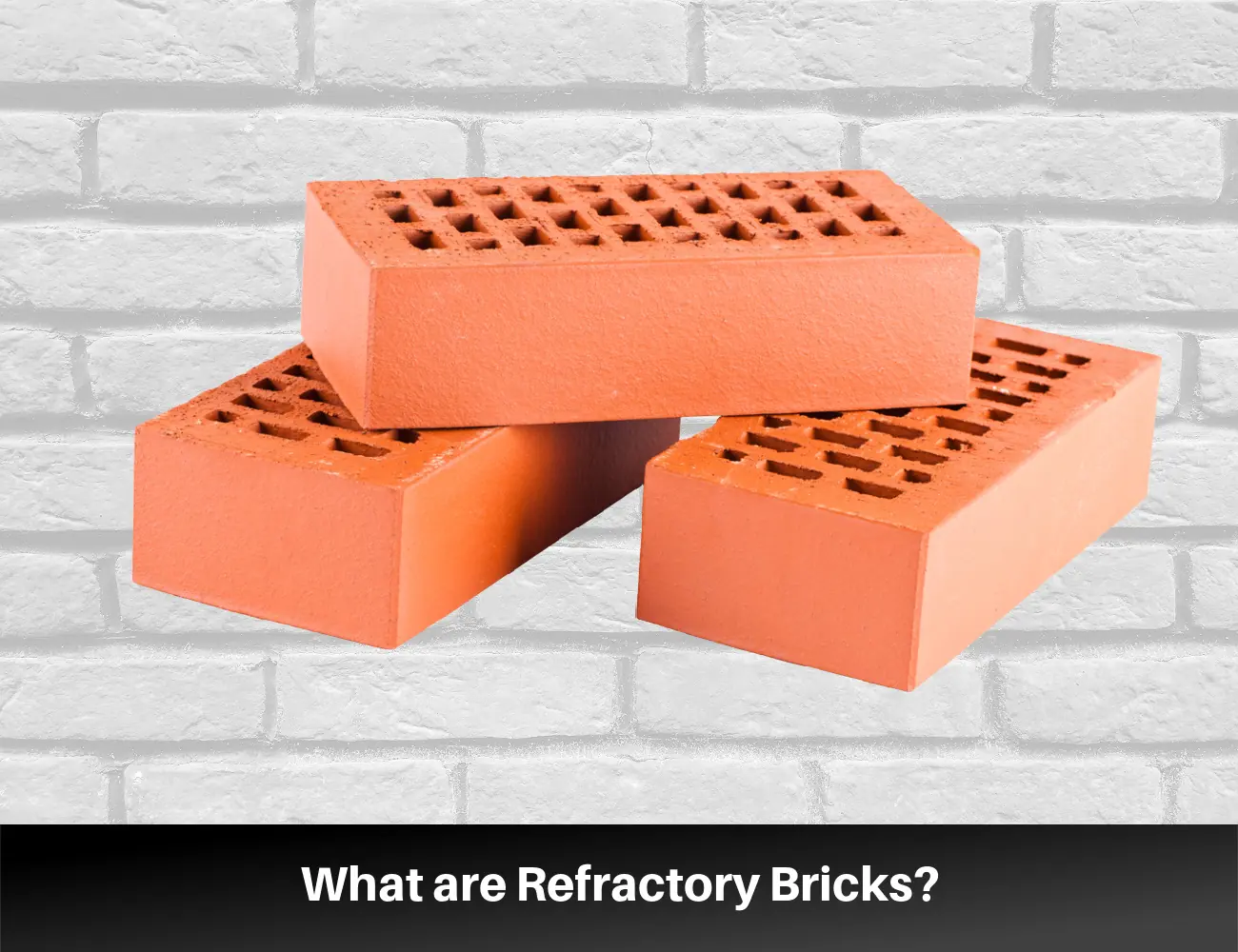
<p>Heat resistance is a materials problem rather than a construction trick. Refractory brick is formulated for environments that would destroy a standard unit, and its composition explains the price difference.</p> <p>Refractory bricks are not subject to decomposition by heat, pressure, or chemicals. They are part of a larger group of substances that materials science defines as refractory material. Refractory bricks are a part of the “shaped” subset of refractory material.</p> <p>Refractory bricks have numerous applications, so manufacturers have created distinct types of bricks to withstand specified conditions. The most common materials they use in the production of fire bricks are alumina, silica, magnesia, and fire clay. Mixed in different proportions, these materials create the main three types of refractory bricks: acid refractory bricks, basic refractory bricks, and neutral refractory bricks.</p> <p>Listed are some of the most common types of refractory bricks in these three broad categories.</p> <p>Fabricators make fire clay bricks using a combination of crushed clay, sand, silica, and alumina. Builders use fire clay bricks in moderate temperature applications like fireplaces, kilns, stoves, and chimneys. They can withstand heat up to 1600 degrees Celsius. This is the most common type of refractory brick that people use.</p>
Common Types of Refractory Bricks
Fire Clay Bricks
High Alumina Bricks
High alumina bricks are ideal for high-temperature settings like steelmaking and incinerators because they have good thermal stability and resistance to chemical erosion. As its name suggests, alumina is the primary component in high alumina bricks.
High-purity silica, or silicon dioxide, is the primary component of silica bricks. This type of refractory brick has a high melting point with a temperature resistance of up to 2000 degrees Celsius. These bricks also have a high resistance to acid, so they are ideal in glass-making furnaces, copper-melting furnaces, and open-hearth steel furnaces.
Magnesia Bricks
Fireclay, which consists of magnesium oxide, is the primary component of magnesia bricks. Manufacturers use this brick primarily because of its resistance to slags, including lime and iron-rich slags. These bricks have the widest application in the steel industry. They resist temperatures up to 2100 degrees Celsius.
Chrome Bricks
Fabricators construct chrome bricks using fire clay containing chrome iron ore, iron oxide, bauxite, and silica. These bricks have the greatest application in corrosive environments. This can include specific areas in a kiln or furnace. They can resist temperatures up to 2000 degrees Celsius.
Carbon Bricks
Carbon bricks are a type of neutral refractory brick that is composed of high-quality carbons including anthracite, coke, graphite, and a binding agent. Carbon bricks have excellent shock resistance, low thermal conductivity, and high temperature and erosion resistance. The primary application of carbon bricks is for the metallurgic industry.
Zirconia Bricks
Zirconia bricks are a type of acid-refractory brick and are composed of zirconium dioxide. These bricks have excellent shock resistance and low thermal conductivity. Designers use these bricks where rapid changes in temperature require their stability. These applications include metallurgical furnaces, glass furnaces, and ceramic kilns.
Insulating Bricks
Insulating bricks are made from porous materials so they are lightweight refractory bricks. They also have low thermal conductivity so they are ideal to minimize heat loss. Compared to fire clay bricks, these have a lower density and higher thermal resistance. There is a wide variety of insulating refractory bricks. Insulating bricks are often a cost-effective option compared to other refractory bricks.
Refractory Brick Qualities and Characteristics
The quality and characteristics of the material that forms refractory bricks allow them to thrive in high-temperature environments.
Applications for Refractory Bricks
The qualities of refractory bricks mean that they work for a broad range of applications that involve high temperatures and harsh conditions.
Steel Industry
The steel industry is a primary user of refractory bricks in applications such as blast furnaces, steel ladles, and steel converters. Refractory bricks line the walls, roofs, and floors of this equipment to give them the capability to withstand the high temperatures and chemical reactions involved in steel production.
Glass Industry
Refractory bricks are used in glassmaking furnaces and glass melting tanks. They provide insulation and resistance to the corrosive properties of molten glass. Refractory bricks also maintain their structural integrity during the changing temperatures present in the heating and cooling of glass.
Non-Ferrous Metal Industry
The non-ferrous metal industry refers to metals that do not contain iron or have a low-iron content. Refractory bricks are common in the non-ferrous metal industry because these metals have a high melting point, corrosive chemical waste, and a wide range of distinct properties that require bricks with versatility.
Petrochemical Industry
Fabricators use refractory bricks in applications for catalytic cracking units and ethylene furnaces common in the petrochemical industry. Refractory bricks have strong corrosion and abrasion resistance and the chemical stability required to ensure the longevity of the furnaces. They also have the thermal insulation needed to control the temperatures, optimize process efficiency, and reduce fuel consumption.
Power Generation Industry
Power generation plants use refractory bricks to line boilers, incinerators, and other high-temperature equipment. This provides insulation for this equipment and protects sensitive machines and structures from high temperatures.
Ceramic and Cement Industry
Ceramic and cement plants use refractory bricks to line kilns for firing ceramics, pottery, bricks, and cement blocks.
Foundries
Foundries use refractory bricks in furnaces and crucibles used for melting and pouring molten metals.
Physical Properties of Refractory Bricks