<p>Water arriving during finishing is one of the most common causes of a spoiled surface. Timing determines whether the result is a cosmetic blemish, a weakened top layer or something that has to be removed.</p> <p>Knowing the potential problems that rain causes as well as how to fix them will give you the tools you need to know how to deal with the rain because waiting for the rain to pass isn’t always a viable option.</p> <p>Rainfall can cause a wide variety of problems on poured concrete. Here are some of the most damaging to know:</p> <p>Not all rainfall is damaging to concrete. If the rain falls at particular times, it may even help concrete by maximizing hydration. Yet, in some circumstances, rain is particularly damaging. The qualities of a particular rainfall to consider are timing, volume, duration, and intensity.</p> <p>Fresh concrete is particularly vulnerable to excessive water because it delays the consolidation, drying, andcuring of the concrete. Rainwater can wash away the cement paste and leave aggregates exposed. This creates a bumpy and uneven surface and a weakened material due to the loss of the bonding agent.</p>
Effects of Rain on Concrete
When Rain is the Most Harmful to Concrete
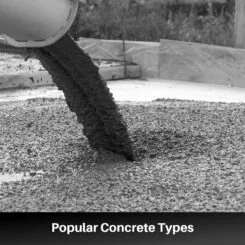
Rainfall on Freshly Poured Concrete
Once the concrete has been allowed to dry for at least 4-8 hours, the effects of the rainwater are lessened.
Heavy or Prolonged Rainfall
A sprinkle of rain will not do much damage to concrete, but heavy or prolonged rainfall can damage concrete by creating penetrations in the surface. If this type of weather is in the forecast, it is best to delay pouring concrete if possible with the timetable of the project.
How to Mitigate the Effects of Rain on Concrete
Planning is the most effective measure to help control the effects of rain on concrete, but even with the best-laid plans, rain can happen. Here are steps you can take to deal with rainfall on concrete surfaces.
Proper Mixing and Pouring Techniques
It is vital to use proper mixing and pouring techniques to ensure optimal protection for concrete against rainfall. Always use the industry’s best standards for the water-cement ratio and the appropriate admixture to ensure the concrete’s protection against excessive water.
Provide Temporary Protection
Providing temporary protection to the poured concrete area can be effective for small surface areas. This protection can be in the form of a tarp or plastic sheeting that helps to stop the water from falling on the surface of the concrete. Leaving a tarp on for a prolonged period will increase the drying time because of the condensation that builds up inside the tarp. Protecting concrete with a covering is an impractical solution for a large area and may not be possible.
Clearing the Surface of Excessive Water
Once the concrete has hardened slightly but is still gaining strength, rainfall can still cause damage, so it is vital to clear away the excess water that builds up on the surface due to rainfall. The goal is to remove the water that collects on the surface without removing excessive paste. Builders use a variety of tools to clear the water from the surface including squeegees, water or compressor hose, or polystyrene foam boards. Dragging these objects across the surface of the concrete will remove any standing water.
Ensure Good Drainage
You don’t want to clear water off the surface of the concrete and just have it wash back onto the concrete. Make sure that the water is draining away from the concrete and protect it from additional water using methods like creating a dam with sand or another material around the perimeter of the concrete surface.
Wait to Pour
The best way to ensure that your concrete is not damaged by the rain is to wait until the chance of rain has passed. Even if you have planned to pour your concrete on a particular day, it might be best to delay for a day or two to save yourself the time and effort it will take to protect your concrete from the rain.
How to Fix Rain-Damaged Concrete
There are several ways that you can fix the surface of the concrete that has been marred by rainfall but the method you choose depends on the severity of the effects, the use of the concrete structure, and if the concrete will be covered with another surface.
Patching
When the damage to concrete is localized to one small area or small cracks, you can focus on fixing just these small areas. Clean the areas and procure a suitable patching material like a cement-based patching compound or epoxy. Apply this to restore the affected area.
Applying a Surface Hardener
If the top surface of the concrete has been weakened by rain, you can apply a surface hardener to help shore up the strength of the concrete. Apply a type of penetrating silicate-based treatment to the concrete surface. The silicates in this mixture will react with the calcium hydroxide in the concrete which will create additional hardening in the concrete.
You can only apply this option once the concrete has cured, so wait at least 28 days until you contemplate this fix. This is a good repair choice if you are topping the surface of the concrete with another material and do not need to worry about the finish of the concrete surface but are more concerned with lasting strength.
Surface Grinding
Surface grinding is a common method to repair rain-damaged concrete. This involves removing the top layer of concrete using grinding equipment. This method can remove surface imperfections and restore the smoothness and overall surface appearance.
This is an American Concrete Pavement Association (ACPA) approved method for repairing concrete, but some engineers may question the durability of concrete structures that have been repaired with surface diamond grinding. According to studies from the ACPA, these indicate that surface grinding can create a surface that can stand up to years of wear and tear.
Resurfacing Concrete
Another way to fix rain-damaged concrete if the surface look of the concrete concerns you is to resurface it. You can resurface concrete by pouring another thin layer of concrete or by using a leveling compound. This not only restores the functionality of the concrete but its appearance as well.